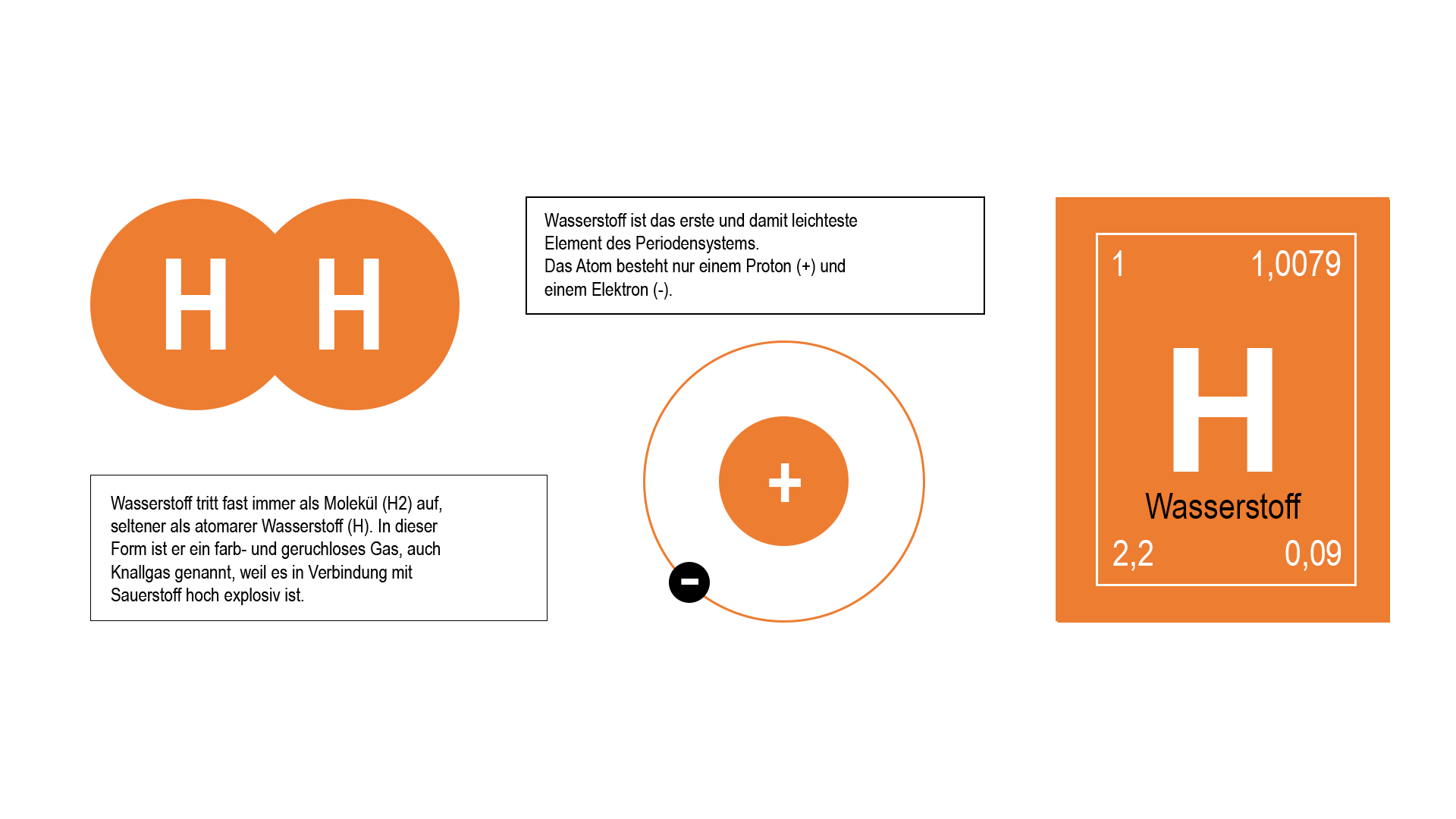
The most obvious challenge when sealing hydrogen is the roughness of the mating surfaces, due to the extremely small size of the H₂ molecule. In most cases, it is therefore advisable to use polished mating surfaces. For static applications (e.g., gasket seals), Rz values should generally not exceed 1 µm. For dynamic applications (e.g., piston and rod seals), even smoother surface finishes are recommended to eliminate geometric leakage paths from the outset.
Particular care must also be taken when machining the sealing contact surfaces themselves, unless the seal design allows a running-in process (as is the case, for example, with a cover gasket).
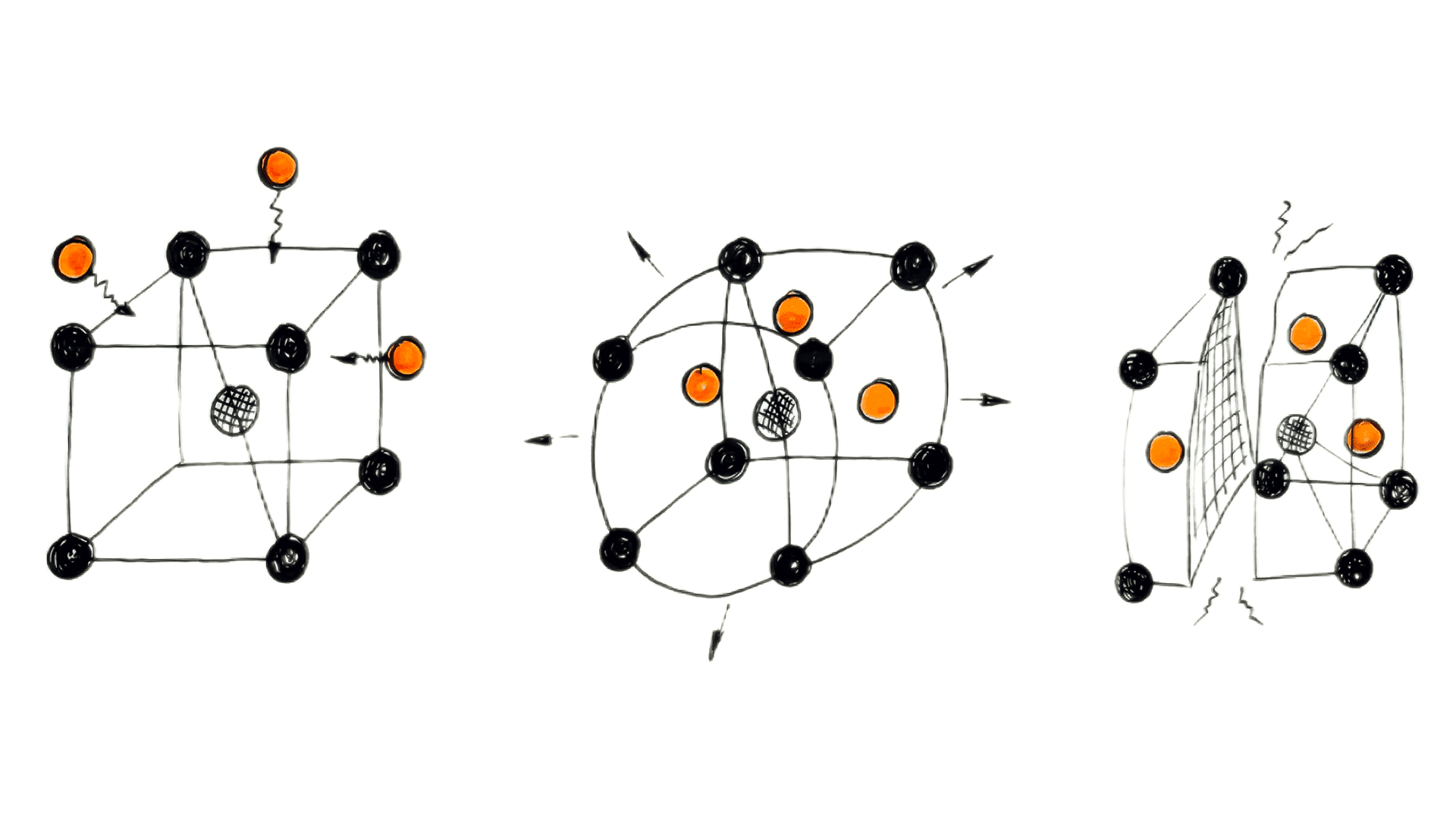
Hydrogen molecules diffuse through conventional sealing materials such as elastomers and Teflon®. Even commonly used modified PTFE grades (e.g., TFM®) are still not sufficiently diffusion-tight. Although graphite does not become brittle, its porous structure makes it unsuitable for achieving the required level of sealing performance. Metal soft seals can, at best, be used in static applications. Dynamic hydrogen sealing, on the other hand, remains a significant challenge. As a result, unwanted leakage continues to occur, creating potential safety risks. In addition, such leakage leads to the loss of this valuable energy carrier.
“The efficiency of systems that produce, transport, store, and convert hydrogen back into electrical energy is heavily dependent on the losses caused by leakage.”